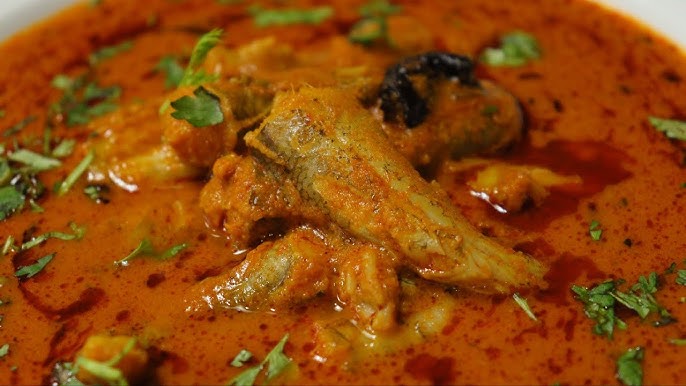
When it comes to the culinary treasures of India’s coastal regions, Bombay Duck Curry holds a special place. Despite its unusual name, this dish is a beloved seafood delicacy, celebrated for its rich flavor, tangy spices, and cultural significance along the Konkan coast. From the bustling fish markets of Mumbai to traditional kitchens in Goa and Maharashtra, Bombay Duck Curry is a testament to the coastal love for seafood and bold spices.
What Is Bombay Duck?
Before diving into the curry, it’s important to clarify what “Bombay Duck” actually is. Surprisingly, it is not a type of duck—it’s a fish! Locally called Bombil in Marathi, Bombay Duck is a long, slender, silvery fish found abundantly along the western coast of India.
The fish is highly prized for its soft, oily flesh that absorbs spices beautifully. Its distinctive aroma and rich taste make it ideal for curries, deep-frying, or preparing with rice. In coastal households, no festive occasion or special meal is complete without Bombay Duck.
The Cultural Significance of Bombay Duck Curry
Bombay Duck Curry is more than just food; it’s a cultural icon along the Konkan coast. In Mumbai, Maharashtra, and Goa, it symbolizes home-style comfort and coastal heritage. For generations, families have passed down recipes that turn this humble fish into a flavorful curry, celebrated for its tangy, spicy, and umami-rich taste.
In many households, serving Bombay Duck Curry is a mark of culinary pride. It’s commonly paired with steamed rice, chapati, or even poha (flattened rice), creating a complete meal that’s deeply satisfying.
What Makes This Curry Unique?
Bombay Duck Curry stands out due to its balance of spices, tanginess, and bold seafood flavor. Unlike milder coastal curries, it has a robust personality that complements the rich, oily texture of the fish. Here’s what sets it apart:
- Tangy Base: Often made with kokum, tamarind, or raw mango, giving the curry a refreshing sourness.
- Coconut Influence: Some regional versions use coconut milk or grated coconut for creaminess, especially in Goan styles.
- Spice Blend: A mix of mustard seeds, red chili, turmeric, coriander, and curry leaves creates a warm, aromatic depth.
- Quick Cooking: Bombay Duck cooks very fast, which preserves its soft texture and prevents it from falling apart entirely.
The result is a curry that’s simultaneously spicy, tangy, and richly flavorful, perfect for pairing with plain rice.
Ingredients Typically Used
While recipes vary across regions, Bombay Duck Curry usually includes:
- Fresh Bombay Duck (Bombil)
- Onions and garlic for the base
- Mustard seeds and curry leaves for tempering
- Ground spices: coriander, cumin, turmeric, chili powder
- Tangy agents: tamarind, kokum, or lemon juice
- Optional: coconut milk or grated coconut
- Fresh coriander leaves for garnish
The fish itself is often slit open but left whole, allowing it to absorb the flavors of the curry while remaining intact during cooking.
How to Cook Bombay Duck Curry
The preparation of Bombay Duck Curry is relatively simple, but timing and spice balance are crucial. Here’s a general approach:
- Clean and Marinate the Fish: Wash the fish thoroughly, and marinate it with turmeric and salt to reduce its natural fishiness.
- Prepare the Curry Base: Sauté onions, garlic, and spices in oil until fragrant. Add tangy ingredients like tamarind or kokum, and let the mixture simmer.
- Cook the Fish: Add the Bombay Duck carefully, allowing it to cook in the simmering curry for just a few minutes. Overcooking can make the fish mushy.
- Finish with Freshness: Garnish with coriander leaves and serve immediately with steamed rice.
Serving and Enjoying Bombay Duck Curry
This curry is best enjoyed fresh and hot, paired with plain steamed rice or mildly spiced rice varieties. Some people like to drizzle a little ghee on top, which enhances the flavor even further. On the Konkan coast, it’s not unusual to see Bombay Duck Curry served alongside fried vegetables, pickles, and a simple salad, making a complete coastal meal.
Bombay Duck Curry in Modern Times
In urban Indian kitchens and restaurants, Bombay Duck Curry continues to enjoy popularity, though it remains a niche delicacy due to the availability of fresh fish. Restaurants in Mumbai, Goa, and coastal Maharashtra often serve it as a specialty item, celebrating regional cuisine and heritage. Home cooks, however, still regard it as a dish that connects them to the sea, tradition, and memories of family gatherings.
Why Bombay Duck Curry Is Special
What makes Bombay Duck Curry stand out is its unique taste and cultural identity. It embodies the coastal ethos—bold, fresh, and unapologetically flavorful. Each bite tells the story of India’s western coastline, the fisherfolk who catch the Bombay Duck daily, and the generations of cooks who have perfected this spicy, tangy curry.
It’s a dish that combines simplicity with complexity: simple ingredients, yet a complex harmony of flavors that leaves a lasting impression on anyone lucky enough to taste it.
Final Thoughts
Bombay Duck Curry is a culinary gem of India’s Konkan coast, offering a bold, tangy, and aromatic seafood experience. Whether you are a seafood lover or someone looking to explore regional Indian cuisine, this curry is a must-try. Its delicate balance of spices, tangy richness, and cultural significance makes it much more than just a meal—it is a taste of the coast, steeped in tradition and flavor.