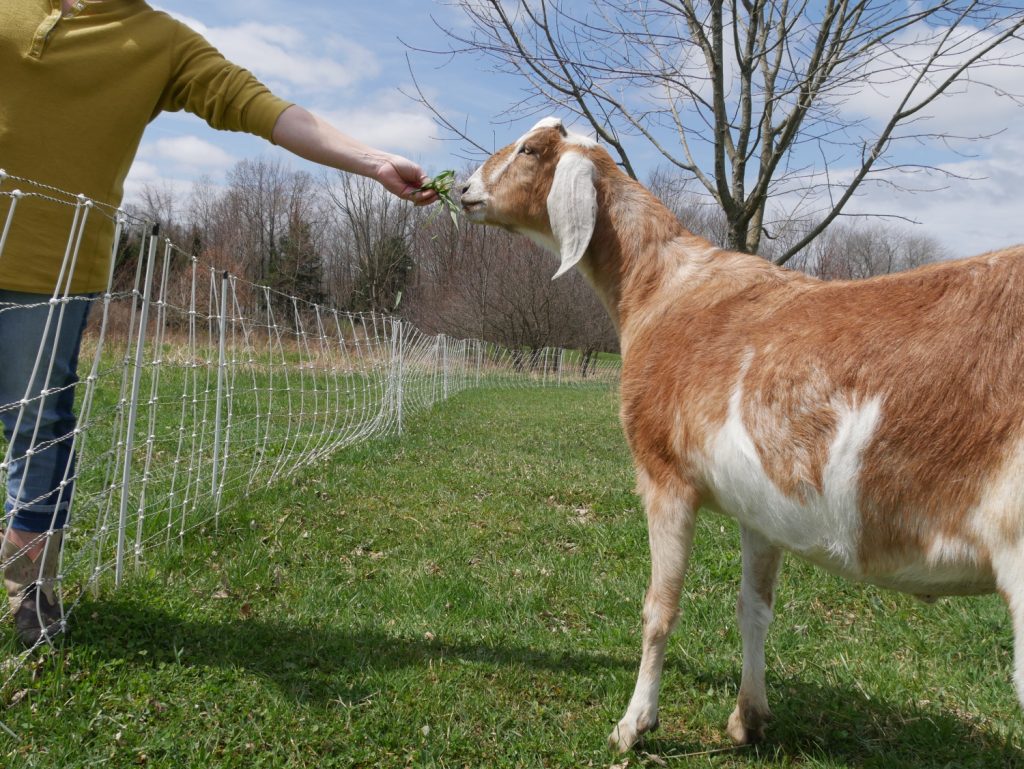
Goats are intelligent, curious, and social animals. They can form strong bonds with humans and other animals, but without proper training and socialization, goats can become mischievous, skittish, or difficult to manage. Whether you keep goats for milk, meat, fiber, or as pets, investing time in training and socializing them early can pay off in safer, happier, and more cooperative animals.
1. Understanding Goat Behavior
Before you begin training, it’s essential to understand how goats think and behave:
- Curious and intelligent: Goats explore everything, climb, and investigate.
- Social animals: They prefer company and form hierarchies within herds.
- Sensitive to tone: Goats respond better to gentle, consistent guidance than to loud commands or punishment.
- Food-motivated: Treats are a powerful tool for positive reinforcement.
Understanding their natural instincts helps tailor your training approach.
2. Socializing Your Goat
Socialization helps goats feel safe and confident around humans, other goats, and different environments:
- Start early: Kids (young goats) are easier to socialize, but adult goats can also be socialized with patience.
- Human interaction: Spend daily time handling, petting, and speaking softly to your goats.
- Introduce to other animals: Gradually expose them to other goats, farm animals, or pets to reduce fear.
- New environments: Slowly introduce them to different surroundings to reduce stress during moves or farm tasks.
Well-socialized goats are easier to manage, less likely to panic, and more cooperative during milking or veterinary care.
3. Basic Training Techniques
Goats can learn simple commands and behaviors with consistent, positive reinforcement:
- Target training: Use a stick or your hand as a “target” to guide the goat to move, follow, or perform tricks. Reward with a treat.
- Leading on a halter: Introduce a goat halter gradually, let them wear it, then practice walking short distances. Start indoors or in a confined space before moving outdoors.
- Recall training: Teach goats to come when called using their name and treats. Begin with short distances and gradually increase.
- Obstacle training: Use small ramps, platforms, or tunnels to stimulate their minds and improve agility.
Training sessions should be short (5–10 minutes) to keep goats engaged without causing stress.
4. House Rules and Boundaries
Goats are clever and may test limits if boundaries aren’t established:
- Define spaces: Use fencing to protect gardens, crops, or areas you want goats to avoid.
- Consistent rules: Everyone handling the goats should follow the same commands and routines.
- Positive reinforcement: Reward desired behaviors instead of punishing unwanted ones.
- Redirect mischievous behavior: Offer toys, climbing structures, or grazing options to satisfy natural instincts.
Clear rules prevent frustration for both the goat and the owner.
5. Handling and Grooming
Goats accustomed to handling are easier to train and care for:
- Regular touching: Handle their ears, legs, hooves, and tail gently.
- Hoof care: Introduce hoof trimming gradually, rewarding calm behavior.
- Brushing: Daily or weekly brushing strengthens bonds and keeps coats healthy.
- Vet visits: Socialized goats are calmer and more cooperative during check-ups and treatments.
Consistent handling early on builds trust and reduces stress.
6. Using Food as Motivation
Goats are highly motivated by food, making treats an effective training tool:
- Healthy treats: Small amounts of fruits, vegetables, or goat-specific pellets work well.
- Timing: Reward immediately after desired behavior so the goat associates the action with the treat.
- Avoid overfeeding: Too many treats can lead to obesity or digestive problems.
Positive reinforcement using treats encourages learning and strengthens your bond.
7. Enrichment and Mental Stimulation
Bored goats can develop undesirable behaviors like chewing fences, climbing on cars, or head-butting:
- Climbing structures: Logs, rocks, ramps, and platforms satisfy natural climbing instincts.
- Puzzle feeders: Encourage problem-solving and slow down eating.
- Social interaction: Goats thrive in groups, so keeping at least two goats together reduces loneliness and destructive behavior.
A mentally stimulated goat is a happy, manageable goat.
8. Patience and Consistency
Training and socialization take time and patience:
- Short, frequent sessions: Multiple short sessions work better than one long session.
- Gentle persistence: Never punish; redirect and reward desired behavior.
- Observe personality: Each goat is unique; adapt methods to individual temperament.
- Celebrate progress: Even small improvements indicate success.
Consistency and patience build trust, making goats more confident and manageable.
Final Thoughts
Training and socializing goats isn’t just about obedience—it’s about building a trusting, safe, and positive relationship with these intelligent, social animals. From basic handling and halter training to mental stimulation and enrichment, every step you take strengthens the bond with your goat.
Well-trained, socialized goats are happier, healthier, and easier to manage, creating a rewarding experience for both owner and animal. With time, patience, and understanding, even the most curious and mischievous goat can become a friendly, cooperative, and cherished member of your farm or household.