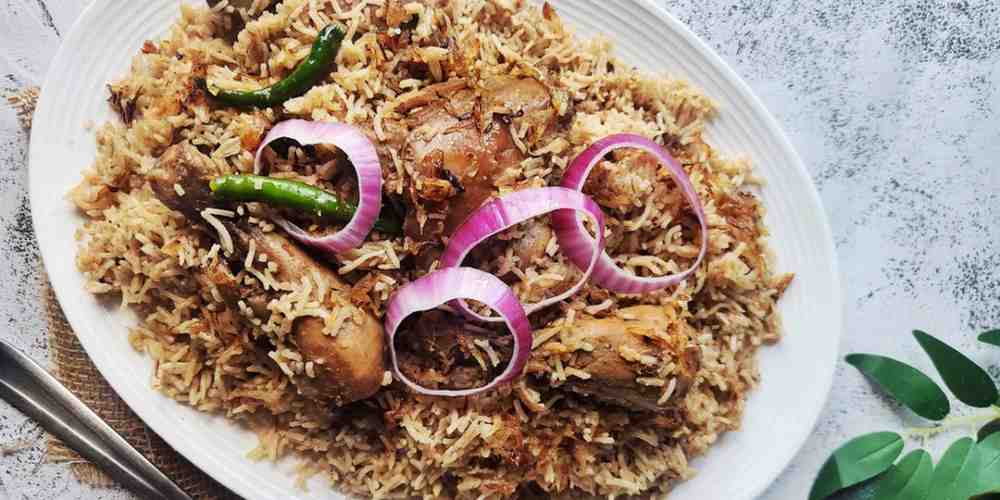
Morog Polao is more than just a dish—it is an emotion deeply rooted in Bengali culture. Rich, fragrant, and celebratory, this iconic preparation of rice and chicken holds a special place on dining tables during weddings, festivals, and family gatherings across Bangladesh and parts of West Bengal. With its delicate balance of spices, creamy texture, and irresistible aroma, Morog Polao represents the elegance and generosity of traditional Bengali hospitality.
The Cultural Significance of Morog Polao
In Bengali households, Morog Polao is synonymous with celebration. It is rarely cooked for ordinary meals; instead, it appears on special occasions such as weddings, Eid feasts, anniversaries, and important family events. Serving Morog Polao is considered a sign of respect and affection for guests. Its presence on the menu quietly announces that the occasion is important.
Historically, Morog Polao has strong ties to Mughal cuisine. The Mughal influence introduced the use of fragrant rice, whole spices, ghee, and slow-cooking techniques, all of which are central to this dish. Over time, Bengali cooks adapted it to local tastes, making it slightly sweeter and creamier than its North Indian counterparts like biryani or pulao.
What Makes Morog Polao Unique?
Unlike biryani, Morog Polao is not layered with intense spices or cooked with strong heat. Its beauty lies in subtlety. The rice grains remain separate yet soft, coated in a light, milky gravy infused with whole spices. The chicken is tender, juicy, and delicately flavored rather than spicy.
Key characteristics that define Morog Polao include:
- A pale golden or off-white color, often achieved using ghee and aromatic spices rather than chili or turmeric
- Mild sweetness, sometimes enhanced with a touch of sugar or sweetened yogurt
- Creamy richness, thanks to milk, yogurt, or cream
- Whole spices like cinnamon, cardamom, cloves, and bay leaves that perfume the dish without overpowering it
Ingredients That Define the Dish
The soul of Morog Polao lies in its carefully chosen ingredients. While recipes may vary from family to family, some components are essential:
- Basmati or Kalijeera rice for fragrance and elegance
- Chicken (morog), preferably bone-in for deeper flavor
- Ghee, which gives the dish its signature richness
- Onions, lightly fried or blended to create a smooth base
- Yogurt or milk, adding creaminess and subtle tang
- Whole spices such as cinnamon sticks, green cardamom, cloves, bay leaves, and mace
- Cashew paste or raisins in some versions, adding luxury and mild sweetness
Unlike spicy curries, powdered spices are used sparingly. The focus remains on aroma rather than heat.
The Cooking Philosophy Behind Morog Polao
Morog Polao requires patience and attention. The chicken is usually marinated first, allowing flavors to seep into the meat. It is then gently cooked in ghee with spices until tender. The rice is either partially cooked separately or added directly to the chicken, depending on the method, and then finished together so that it absorbs the rich broth.
This slow, careful process ensures that every grain of rice carries the essence of chicken and spices. Rushing the dish can easily ruin its texture or subtle flavor, which is why experienced cooks treat Morog Polao with great respect.
How Morog Polao Is Served
Morog Polao is traditionally served hot and fresh, often paired with:
- Chicken roast, adding contrast with a slightly spiced, browned flavor
- Beef or mutton rezala for grand occasions
- Cucumber or onion salad, offering freshness
- Borhani or soft drinks, especially during weddings
The dish itself is rich, so accompaniments are usually simple and refreshing.
Morog Polao in Modern Times
Despite changing food trends and the popularity of fast food, Morog Polao has managed to retain its royal status. Today, it is a staple at Bengali weddings, catered events, and upscale Bengali restaurants. Many modern chefs experiment with presentation or slightly lighter versions, but the essence remains unchanged.
For Bengalis living abroad, Morog Polao often becomes a nostalgic dish—a taste of home that reconnects them to memories of family gatherings, wedding feasts, and festive afternoons.
Why Morog Polao Will Always Be Special
What makes Morog Polao timeless is not just its flavor but its emotional value. It represents warmth, celebration, and togetherness. Every spoonful tells a story of heritage passed down through generations—of mothers and grandmothers perfecting the balance of ghee and spice, of weddings where plates were refilled with love, and of guests leaving satisfied and happy.
In a world of bold flavors and quick meals, Morog Polao stands as a reminder that elegance can be gentle, and richness doesn’t need to shout.
Final Thoughts
Morog Polao is a culinary jewel of Bengali cuisine. Its understated sophistication, comforting richness, and cultural depth make it more than a recipe—it is a tradition. Whether enjoyed at a grand wedding or lovingly prepared at home, Morog Polao continues to unite people through its timeless taste and royal charm.
If Bengali cuisine has a dish that defines celebration with grace, Morog Polao is undoubtedly it.