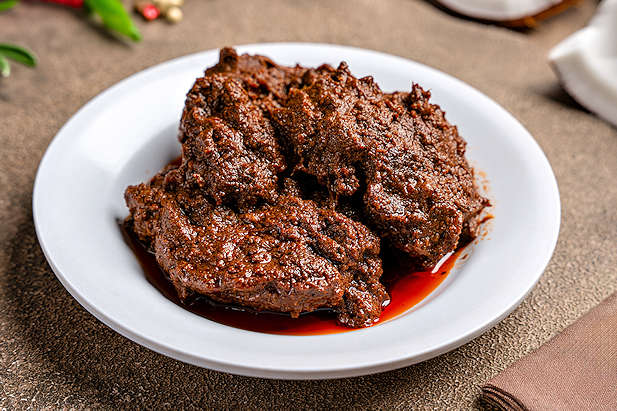
If there’s one dish that embodies the richness and depth of Indonesian cuisine, it is Rendang Daging. Known as one of the most flavorful and complex slow-cooked meat dishes in the world, Rendang Daging hails from the Minangkabau ethnic group of West Sumatra. Its layers of spices, tender beef, and deeply aromatic coconut-based sauce have made it an iconic dish not only in Indonesia but across Southeast Asia and beyond.
The Origins of Rendang Daging
Rendang Daging, often simply called Rendang, has roots in the Minangkabau culture, where it was originally developed as a method to preserve meat in tropical climates. The slow-cooking process in coconut milk and a rich blend of spices allowed the beef to last for days without refrigeration.
Rendang isn’t just a dish—it’s a symbol of communal gatherings, celebrations, and cultural identity. Traditionally, it is served during weddings, religious festivities, and ceremonial events. For the Minangkabau people, Rendang represents generosity, patience, and culinary mastery.
What Makes Rendang Daging Unique?
What sets Rendang apart from other curries or beef stews is its complexity, richness, and slow-cooked intensity. Unlike quick curries, Rendang requires time, attention, and patience. The beef is cooked for several hours until it becomes meltingly tender and infused with the flavors of its spices. Key characteristics include:
- Deep, dark color, resulting from the caramelization of coconut milk and spices
- Layered flavors: spicy, sweet, salty, and umami all in harmony
- Tender, melt-in-your-mouth beef, achieved through long, slow simmering
- Minimal liquid: true Rendang is a “dry curry,” with a thick, clinging sauce
The dish’s complexity lies in its spice blend, known locally as bumbu, which includes fresh herbs, aromatics, and toasted spices.
Key Ingredients
Rendang Daging relies on fresh, bold ingredients that work together to create its unforgettable taste. Common components include:
- Beef: Usually tough cuts like chuck or shank, perfect for slow cooking
- Coconut milk: Adds richness and depth while balancing the spices
- Shallots, garlic, ginger, and galangal: Form the aromatic base
- Chilies: Provide warmth and a gentle kick
- Turmeric, coriander, lemongrass, and kaffir lime leaves: Build complexity and fragrance
- Candle nuts or macadamia nuts: For texture and subtle creaminess
- Palm sugar and salt: For balancing flavors
The Cooking Philosophy Behind Rendang
Cooking Rendang Daging is an art form. The process begins with grinding fresh spices into a smooth paste. The beef is then simmered slowly in coconut milk and the spice paste for hours. As the liquid gradually reduces, the spices concentrate, and the beef absorbs the deep flavors. The result is a tender, richly flavored meat with a slightly caramelized surface and an almost melt-in-your-mouth texture.
Patience is key. True Rendang is not rushed; the longer it cooks, the more complex and fragrant the flavors become. This slow cooking is also what makes it historically “preservable,” allowing it to last for days without spoiling.
How Rendang Daging Is Served
Rendang Daging is traditionally served with steamed rice or ketupat (compressed rice cakes) and accompanied by simple vegetable sides, pickles, or sambal. The dish is rich enough to be the centerpiece of a meal, often leaving a lasting impression on anyone who tries it.
In modern culinary settings, Rendang is also enjoyed as part of a buffet, in restaurants specializing in Indonesian cuisine, and even as a festive dish for global food enthusiasts. Its appeal lies in both its flavor and its cultural story.
Rendang in Modern Times
Today, Rendang Daging is celebrated as one of the world’s most delicious dishes. It has even been featured in international rankings as one of the top foods globally. While traditional home cooking remains the heart of Rendang, modern chefs experiment with techniques like pressure cooking or sous-vide to reduce cooking time without sacrificing flavor.
Despite these innovations, the essence of Rendang remains the same: slow-cooked beef infused with aromatic spices and coconut, rich in flavor and history.
Why Rendang Daging Is Special
Rendang Daging is not just a curry; it’s a story in a dish. It speaks of Indonesian culture, patience, culinary skill, and celebration. Every bite offers layers of taste, from the tender beef to the aromatic spices, finishing with a lingering richness that is uniquely Rendang.
It’s a dish that connects people—whether at a family gathering, a cultural festival, or a dinner table abroad. Its enduring popularity is a testament to its ability to delight palates while preserving the heritage of the Minangkabau people.
Final Thoughts
Rendang Daging exemplifies the pinnacle of Indonesian slow-cooked cuisine. Its complexity, depth of flavor, and cultural resonance make it a dish worth savoring, celebrating, and sharing. For anyone interested in exploring global culinary treasures, Rendang Daging offers a profound and unforgettable experience—a true taste of Indonesia’s culinary soul.