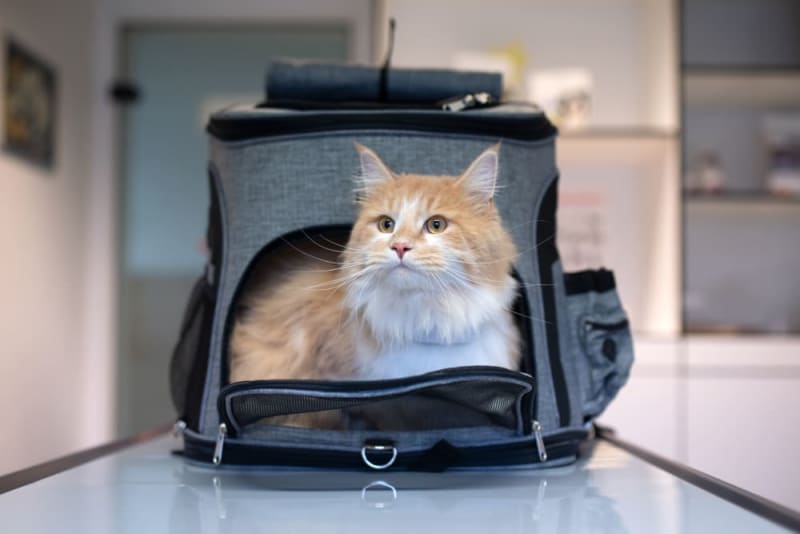
Cats are creatures of comfort, routine, and territorial familiarity. So, when it comes to traveling, whether for a weekend getaway or a long-distance move, most cats can become stressed, anxious, or even refuse to eat. However, with careful planning and some thoughtful strategies, you can make trips with your feline companion safe, comfortable, and as stress-free as possible.
1. Start with Familiarization
Cats feel secure when they’re in familiar surroundings. To help your cat adjust to travel:
- Introduce the carrier well before the trip. Leave it open in a quiet space at home with blankets, toys, or treats inside.
- Allow your cat to explore the carrier voluntarily.
- Reward curiosity with gentle praise or treats to create positive associations.
This makes the carrier less intimidating when it’s time to travel.
2. Choose the Right Carrier
Not all carriers are created equal. The right carrier can make a world of difference:
- Hard-sided carriers offer durability and protection, ideal for car or plane travel.
- Soft-sided carriers are lightweight and easier to fit in small spaces but may provide less protection.
- Well-ventilated and comfortable carriers are crucial. Add a soft blanket or towel for cushioning.
- Ensure the carrier zips securely and has no loose parts.
A carrier that’s cozy and secure will help reduce anxiety during travel.
3. Plan Ahead for the Journey
Traveling with cats requires preparation:
- Short trips first: Take your cat on brief car rides to help them get accustomed to motion.
- Hydration & food: Feed your cat a light meal 2–3 hours before traveling to prevent nausea. Always carry water, a travel bowl, and some favorite treats.
- Litter box: For longer trips, a portable litter box or tray is a must. Some travel litter boxes fold flat for convenience.
- Identification: Ensure your cat has a collar with an ID tag and consider microchipping for extra security.
Advance planning minimizes stress and ensures your cat’s needs are met on the road.
4. During the Trip
Whether traveling by car, train, or plane, a few strategies can ease your cat’s discomfort:
- Keep the carrier secure: In cars, use a seatbelt to secure the carrier. Avoid letting your cat roam freely.
- Maintain a calm environment: Play soft music or keep the cabin quiet. Avoid loud noises or sudden movements.
- Temperature control: Ensure the space is comfortable—not too hot or cold.
- Check on them periodically: Speak gently to your cat without opening the carrier too often, which can increase stress.
Cats are sensitive to their surroundings, so creating a calm, predictable environment goes a long way.
5. Consider Comfort Items
Cats find comfort in familiar scents and objects:
- Bring a favorite blanket or toy.
- Use pheromone sprays or diffusers (like Feliway) to reduce anxiety.
- Keep routines as consistent as possible, even during travel.
These familiar items provide reassurance and help reduce travel-related stress.
6. Overnight Stays and Accommodation
If your trip involves overnight stays:
- Choose cat-friendly accommodations. Many hotels allow pets, but check their policies first.
- Keep the cat in a safe, quiet room with food, water, litter box, and familiar items.
- Avoid letting your cat roam freely in unfamiliar spaces to prevent escape or injury.
Creating a secure mini-environment helps your cat feel at home, even while away.
7. Health and Safety Precautions
Before traveling, make sure your cat is healthy and prepared for the trip:
- Vet visit: Ensure vaccinations are up to date and discuss travel plans with your vet.
- Motion sickness: Ask your vet for advice if your cat is prone to nausea or vomiting.
- Emergency kit: Pack essentials like medications, first aid supplies, extra food, and water.
- Documentation: If traveling across state or international borders, carry your cat’s medical records.
Being prepared ensures both safety and peace of mind.
8. Traveling by Plane
Air travel can be particularly stressful for cats:
- Check airline policies: Confirm carrier size, weight limits, and whether your cat can travel in the cabin.
- Sedation caution: Most vets recommend avoiding sedation unless absolutely necessary, as it can interfere with breathing.
- Pre-flight acclimation: Familiarize your cat with the carrier and travel crate well before departure.
Proper planning makes air travel much less traumatic for feline travelers.
9. Patience Is Key
Cats may never fully enjoy traveling, but with patience and consistent care, you can make trips manageable:
- Move at your cat’s pace and avoid forcing interactions.
- Allow time for your cat to explore new spaces gradually.
- Monitor for stress signs like panting, hiding, excessive meowing, or refusal to eat, and adjust your approach accordingly.
Every cat reacts differently, so patience and observation are essential.
Final Thoughts
Traveling with cats doesn’t have to be stressful or overwhelming. With the right preparation, equipment, and mindset, you can create a safe, comfortable, and calm journey for your feline companion. From familiarizing them with carriers to maintaining routines and providing comfort items, every small step contributes to a more enjoyable experience for both you and your cat.
Remember, a calm and prepared owner helps create a calm and happy cat—making every trip together a memorable adventure.