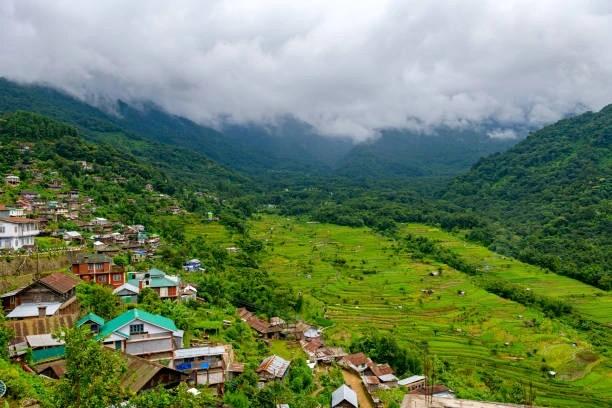
Nagaland, nestled in the northeastern corner of India, is a land of misty hills, vibrant festivals, and rich tribal culture. While the region is known for its stunning landscapes, what truly captivates travelers is the opportunity to experience authentic village life. Village tourism in Nagaland allows visitors to step into the world of the Naga tribes, witness traditional practices, and gain insight into a culture that has remained resilient and unique for centuries.
1. Why Village Tourism in Nagaland?
Unlike conventional tourism, village tourism emphasizes immersive cultural experiences. Visitors aren’t just spectators—they become participants:
- Interact with local communities: Learn about tribal customs, language, and traditions firsthand.
- Understand traditional livelihoods: From agriculture to handicrafts, villagers showcase their sustainable way of life.
- Participate in festivals: Many villages welcome tourists during seasonal celebrations, providing an unforgettable glimpse into Naga culture.
Village tourism promotes cultural exchange, supports local economies, and helps preserve tribal heritage.
2. Meet the Tribes
Nagaland is home to 16 officially recognized tribes, each with its own distinct language, attire, and traditions. Some of the most well-known tribes for village tourism include:
- Ao Tribe: Known for their vibrant festivals like Moatsu, Ao villages offer a deep dive into traditional rituals and folk music.
- Konyak Tribe: Famous for their warrior history and intricate facial tattoos, visiting Konyak villages provides insights into tribal leadership, art, and folklore.
- Angami Tribe: Renowned for their skill in terrace farming and elaborate wood carvings.
- Sumi Tribe: Their festivals are a colorful blend of music, dance, and culinary delights, reflecting their communal lifestyle.
Visiting these villages allows tourists to experience personalized cultural stories rather than generic sightseeing.
3. Experiencing Daily Village Life
In Nagaland, life moves at a different pace. Visitors can:
- Participate in farming activities: Planting rice, tending to livestock, or learning terrace farming techniques.
- Learn traditional crafts: Weaving, basket-making, and wood carving workshops provide hands-on experiences.
- Cook and taste local cuisine: Naga dishes like smoked meat, bamboo shoot curry, and fermented delicacies offer an authentic culinary adventure.
- Stay in homestays: Many villages provide simple, comfortable accommodations that allow tourists to live alongside the locals and experience their routines.
These experiences create lasting memories and deeper understanding of Naga life.
4. Festivals and Celebrations
Time your visit with a local festival, and you’ll witness Nagaland at its most vibrant:
- Hornbill Festival (Kohima): A state-level festival showcasing tribal dances, music, and crafts.
- Moatsu Festival (Ao Tribe): Celebrated in May, it involves folk songs, traditional games, and communal feasts.
- Aoling Festival (Konyak Tribe): A spring festival marked by rituals, dances, and head-hunting heritage displays.
Festivals are not just performances—they are an invitation to participate, dance, eat, and bond with the community.
5. Sustainable Tourism Practices
Village tourism in Nagaland emphasizes sustainability:
- Support local businesses: Homestays, handicrafts, and guided tours directly benefit the community.
- Minimal environmental impact: Many villages practice eco-friendly tourism, using local materials and traditional methods.
- Cultural respect: Tourists are encouraged to learn etiquette, dress modestly, and participate respectfully in rituals.
Responsible tourism ensures that Nagaland’s traditions and natural beauty are preserved for future generations.
6. Tips for Tourists
To make the most of village tourism in Nagaland:
- Plan ahead: Some villages require prior permission to visit.
- Pack appropriately: Comfortable clothing, walking shoes, and layers for hill weather are essential.
- Learn basic phrases: Greeting locals in their language builds rapport and goodwill.
- Be patient and respectful: Embrace the slower pace of village life.
- Hire local guides: They enhance your experience with stories, context, and navigation.
Being prepared allows travelers to fully immerse themselves in the experience.
Final Thoughts
Village tourism in Nagaland is more than sightseeing—it’s a journey into the heart of a culture that has preserved its traditions despite modern pressures. From the vibrant festivals to the simplicity of daily life, visitors gain a rare, authentic glimpse of tribal communities, fostering appreciation, respect, and unforgettable memories.
For those seeking adventure, cultural immersion, and human connection, Nagaland’s villages offer an unparalleled travel experience—where every smile, song, and story opens a window into a world both ancient and alive.